


Pregnancy is an exciting journey filled with many changes as your body supports both you and your growing baby. One key aspect of a healthy pregnancy is meeting increased nutritional demands, particularly iron. Adequate iron levels are essential for maintaining hemoglobin, transporting oxygen to body cells, and supporting increased blood volume. Iron is also crucial for healthy fetal growth and development.
Iron deficiency anemia is a major concern among pregnant women in India. According to the National Family Health Survey-5 (NFHS-5) conducted between 2019 and 2021, 52.2% of pregnant women aged 15-49 were anemic. This condition poses serious health risks, including maternal fatigue, higher susceptibility to infections, and complications during childbirth. Additionally, it can lead to adverse outcomes for the newborn, such as low birth weight and impaired cognitive development.
Taking care of your iron levels early is essential, whether you’re planning for a baby now or in the future. Ensuring adequate iron intake supports fertility, makes conception easier, and contributes to a healthy pregnancy.
Here are some tips we routinely share with our clients:
1. Eat More Vitamin C-Rich Foods
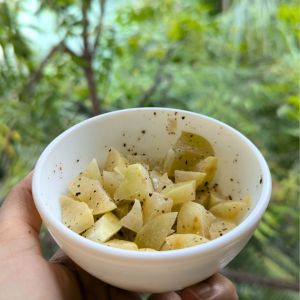
Vitamin C plays a key role in enhancing iron absorption in the body. Foods rich in ascorbic acid can significantly boost iron uptake, sometimes by as much as three times! When you combine iron-rich foods with a source of Vitamin C, it helps make the iron more bioavailable, making it easier for your body to absorb and utilize.
Top Suggestions:
- Nimbu shikanji (lemon water with salt and sugar), around noon.
- Amla murabba (gooseberry preserve), after lunch.
2. Cook in Iron Utensils More Often
Cooking in iron cookware (like a kadai or tawa) naturally enriches food with iron, which can be more easily absorbed during pregnancy. Small amounts of iron leach into the food, increasing its nutritional value.
Best for: Dry sabzis like cauliflower (gobhi), potato (aloo), beetroot (chukandar), bhindi (ladyfinger), and gourd vegetables (lauki, karela).
Avoid: Dishes with souring agents like tomato, mango powder, tamarind, or kokum, as they react with iron and may create a bitter taste.
Pro Maintenance Tip: Wash the iron vessel, dry it immediately with a cloth, and apply a thin layer of oil to prevent rusting. Store in a dry place to maintain seasoning and longevity. FAQs.
3. Avoid Raw Vegetable Juices

Raw salads and vegetable juices may seem like the ultimate healthy choice, but they’re not ideal for iron absorption. Cooking food helps release non-heme iron from vegetables, making it more available to the body. Heat also breaks down compounds like oxalates and phytates, which inhibit iron absorption, allowing better iron utilization.
The Ultimate Juice: Sugarcane juice is an excellent source of iron and is easily absorbed by the body. For better absorption, add mint, ginger, and lemon juice (Vitamin C is iron’s best friend, remember ?).
4. Skip the Antacids
Many people don’t realize that antacids interfere with iron absorption by altering the gut pH. Iron requires an acidic environment for optimal uptake, but antacids neutralize stomach acid, reducing iron bioavailability. Changes in gut pH can also affect microbiota balance, which plays a role in iron metabolism.
Natural Remedy: Half a spoon of gulkand in half a glass of cold (or room temperature) milk is a soothing and natural way to manage acidity without disrupting iron absorption.
5. Limit Caffeine Consumption
Caffeine interferes with iron absorption by binding to it and forming insoluble complexes, making it harder for the body to absorb especially non-heme iron from plant-based foods. This effect is especially significant when caffeine is consumed close to iron-rich meals.
- Common caffeine sources: Coffee, tea, energy drinks, soft drinks
- Hidden sources: Chocolate, aerated beverages, pastries, donuts, cookies, and some confectionery items
6. Maintain Sleep Hygiene
Getting at least 8 hours of sleep daily is crucial for overall health, nutrient assimilation, gut health, and iron absorption at a cellular level. A 30-minute nap after lunch can help combat pregnancy-related fatigue, reduce stress, and improve iron utilization.
Quality sleep also supports red blood cell production and metabolic function, while poor sleep can increase inflammation and disrupt iron metabolism, potentially leading to deficiency. Prioritizing rest both at night and during the day enhances iron levels and overall maternal well-being.
Keeping your hemoglobin levels up during pregnancy isn’t just about eating more iron—it’s about making sure your body actually absorbs it. Pairing iron-rich foods with Vitamin C, cooking with iron utensils, and being mindful of what helps (and hinders) absorption can make a big difference. A well-balanced diet with the right nutrients keeps both you and your baby healthy, reducing the risk of iron deficiency anemia. So, focus on smart food choices, listen to your body, and enjoy the journey to a healthy pregnancy !